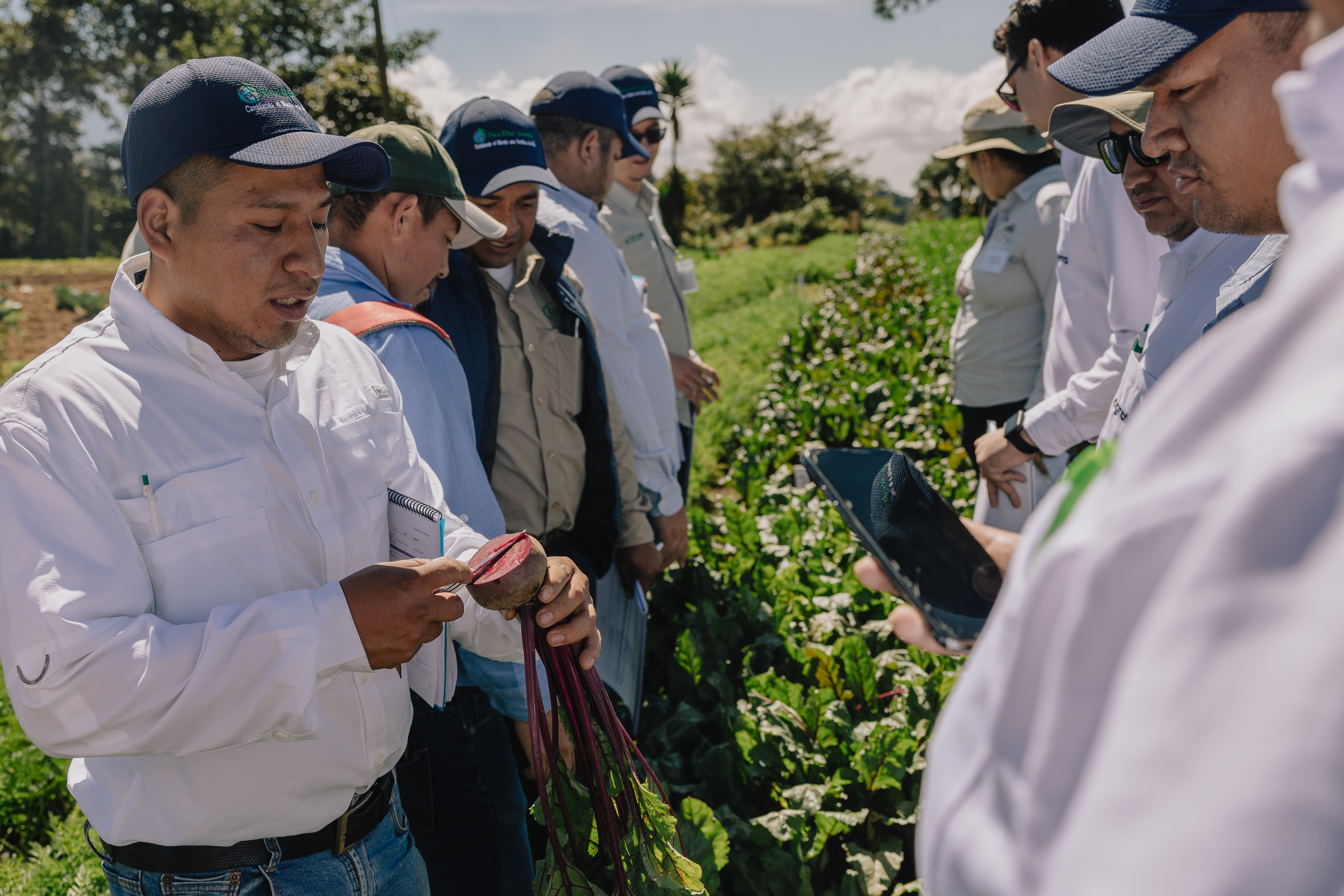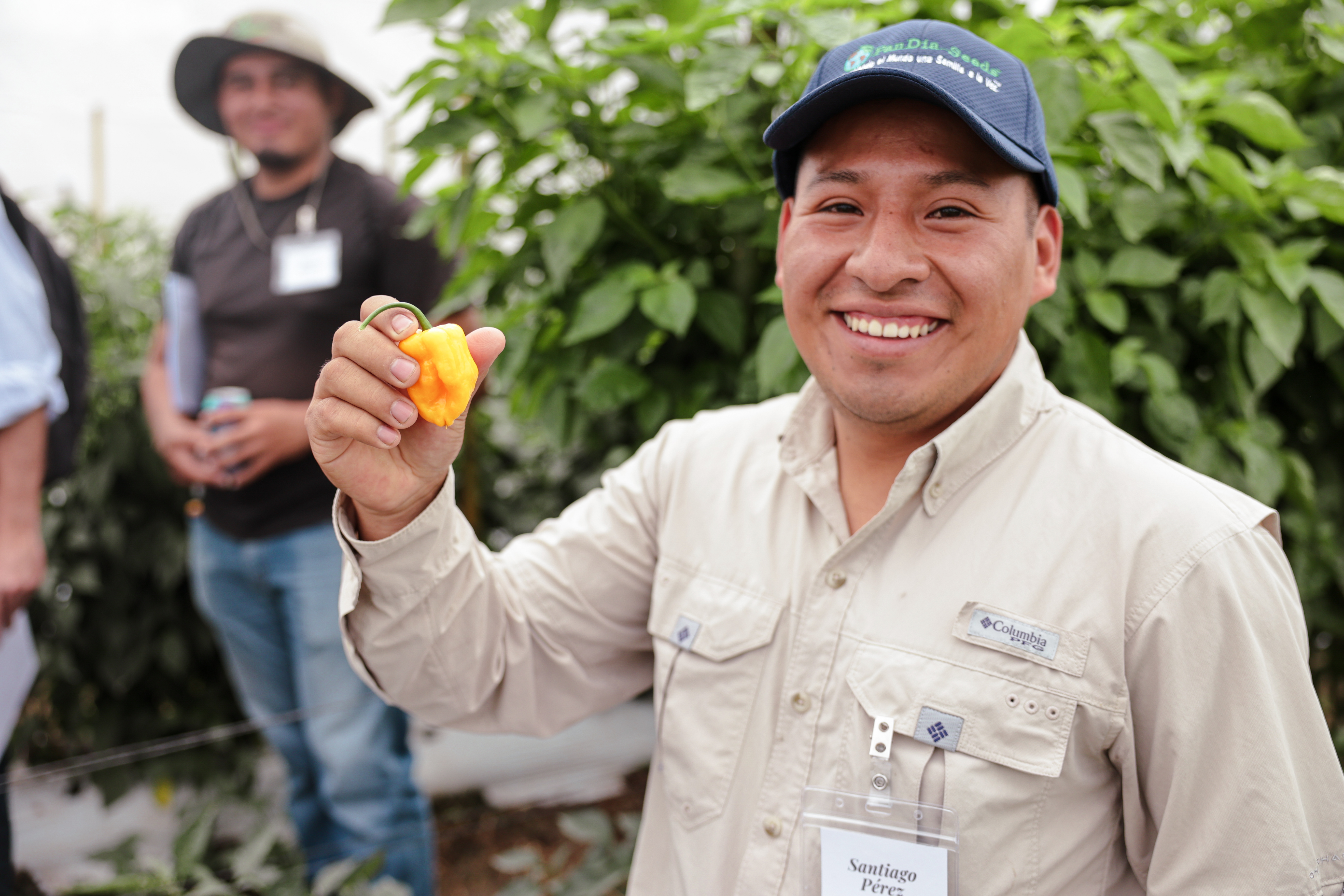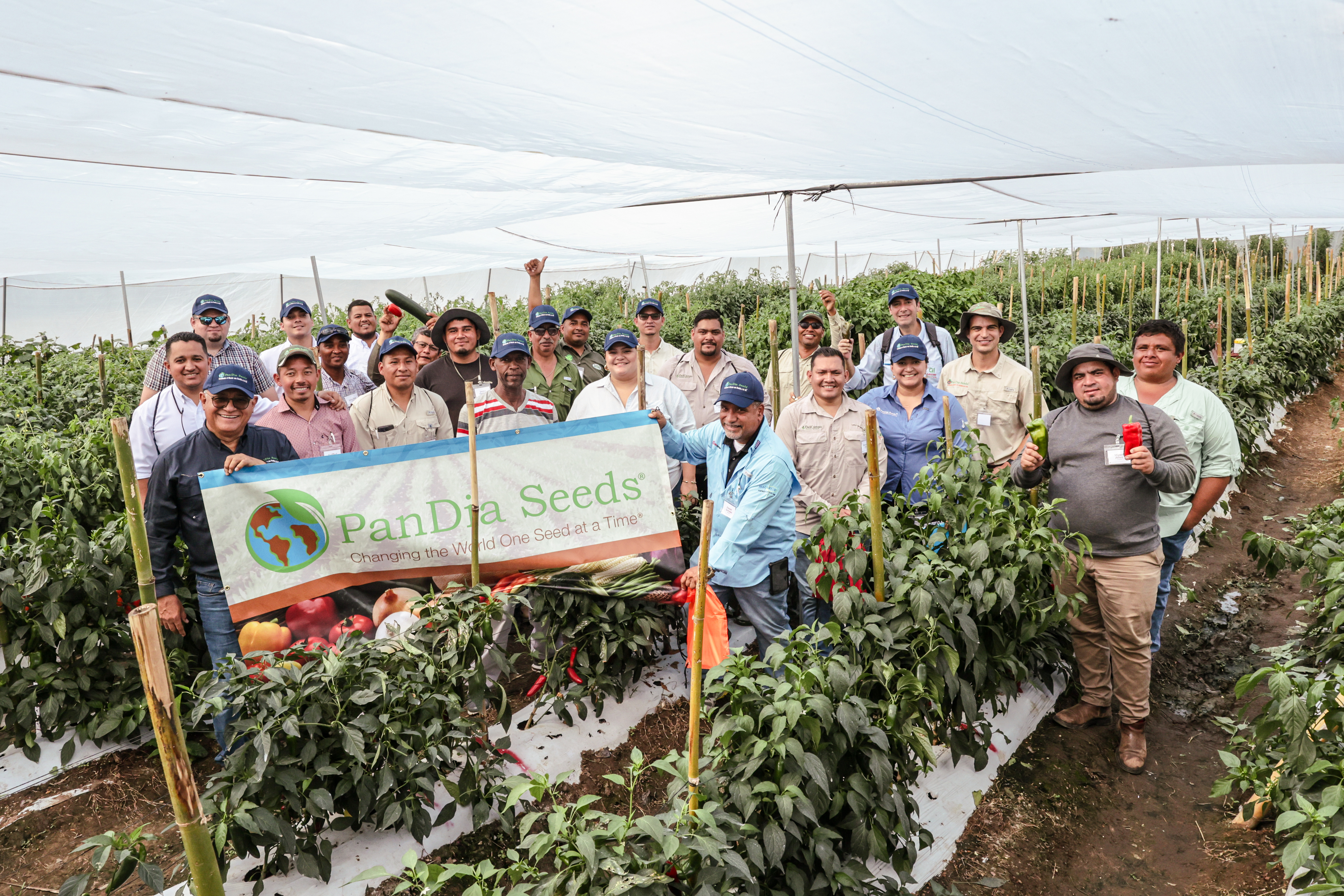
There are moments that remind us that behind every seed, there are years of work, testing, adjustments, and a lot of passion.Our field day in Guatemala, held in November 2025 and hosted by PanDia Seeds was precisely that kind of reminder: an opportunity to see how the varieties we have developed and selected perform in real and contrasting environments.
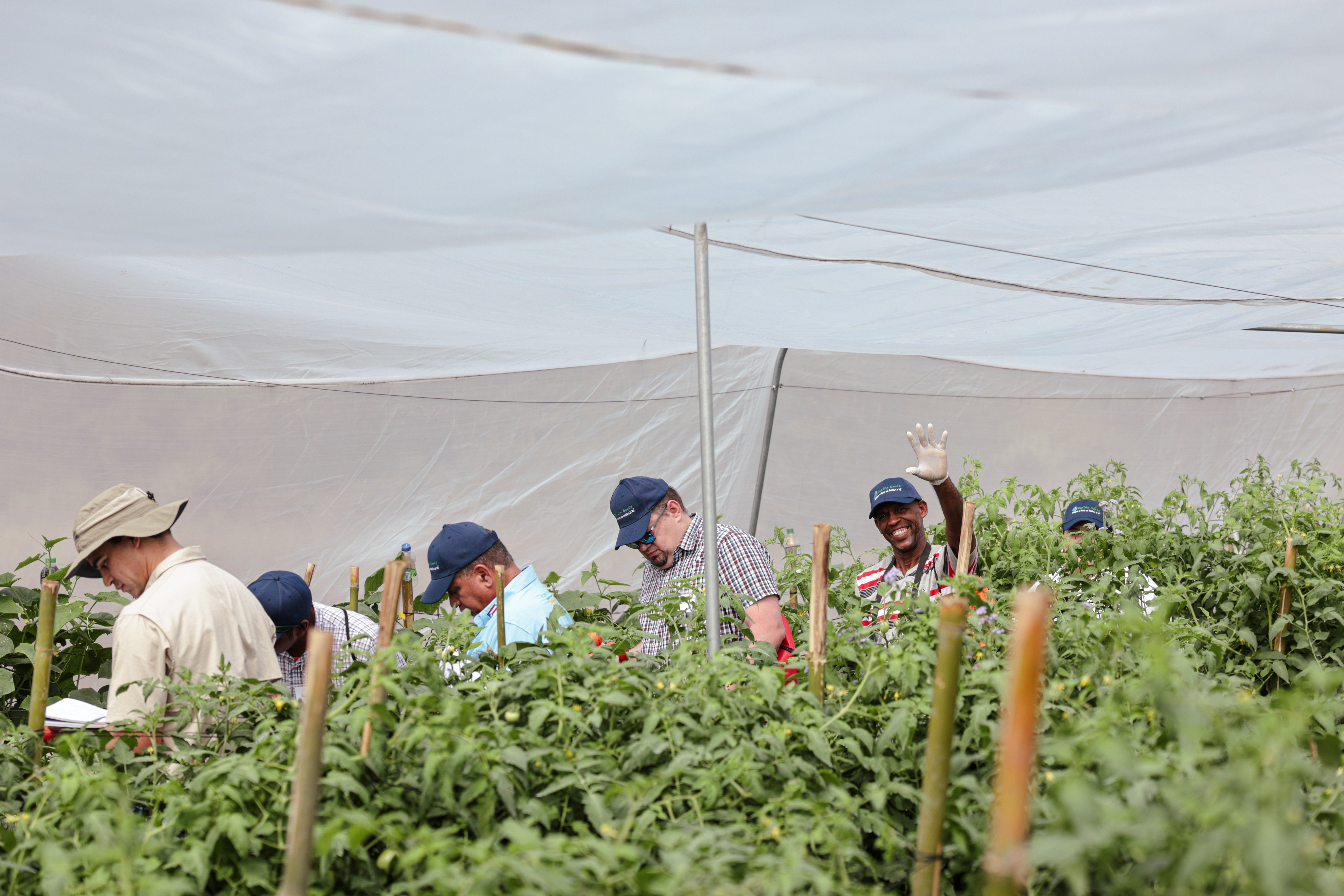
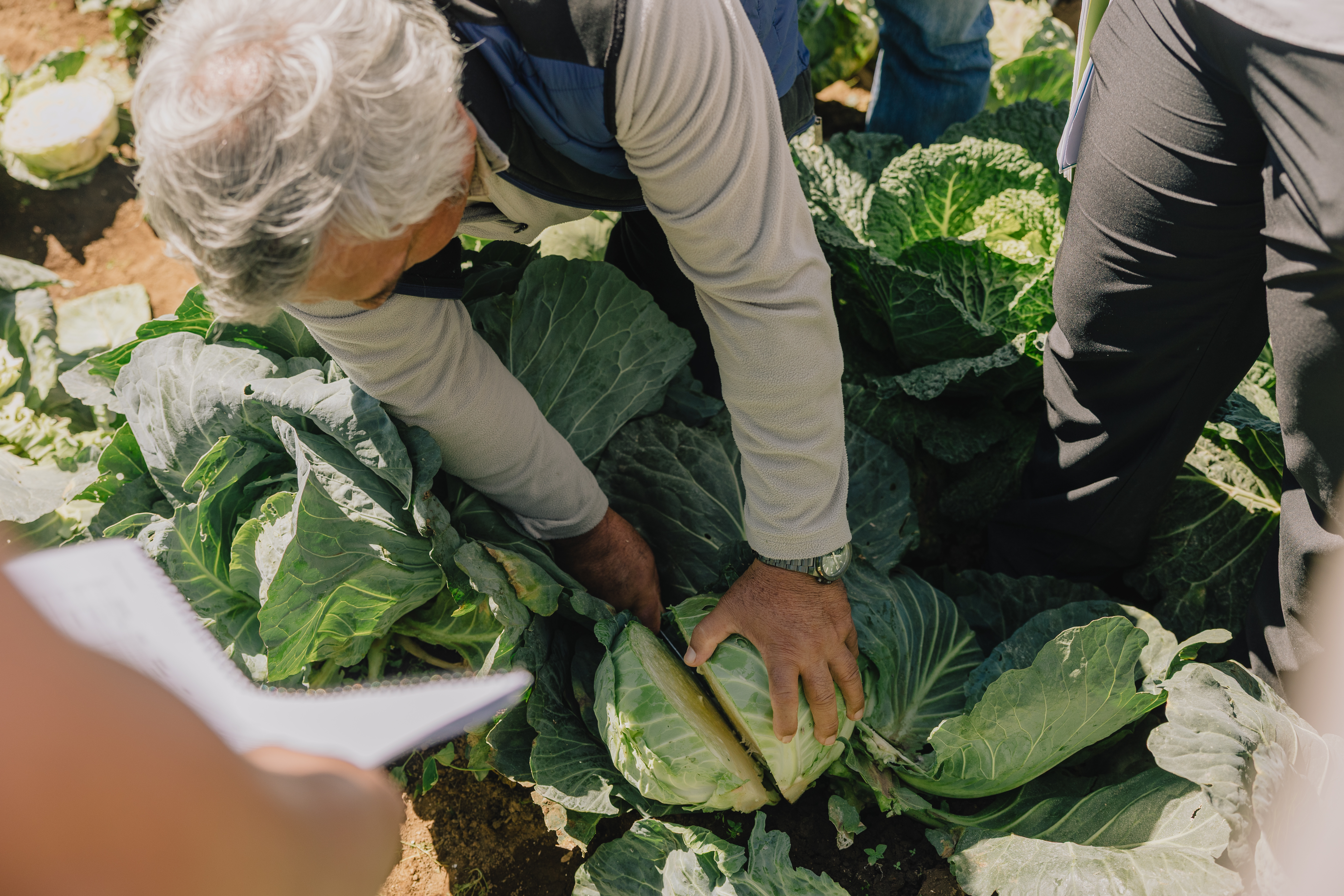
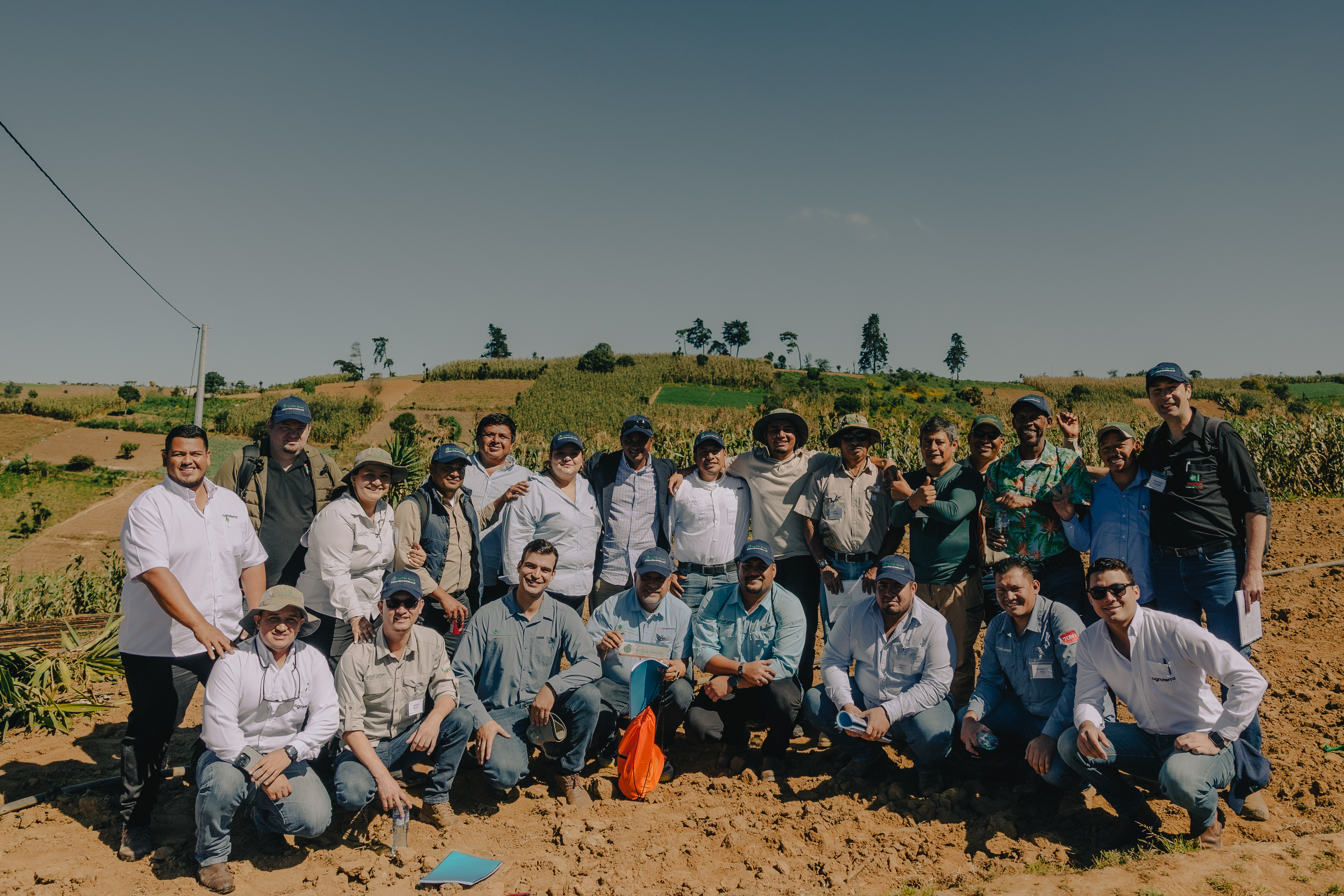
This edition brought together 26 participants from 12 countries, all involved in some way in research, evaluation, or material development. More than observing, they came to analyze, compare, and understand what could work in their countries, and what adjustments might be necessary to get closer to materials that meet their climatic and production needs.
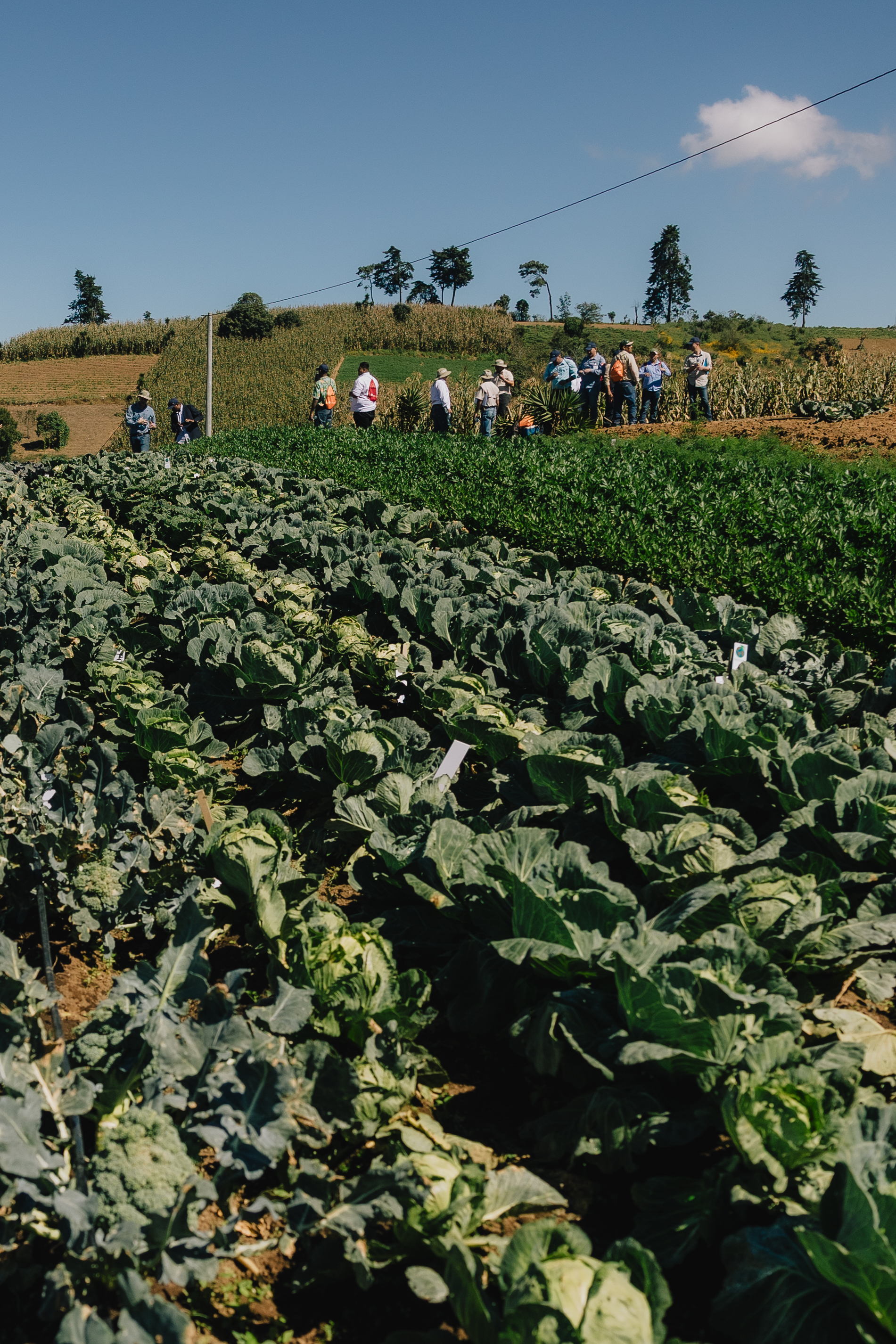
During these four days, we evaluated over 400 varieties across both fields, an impressive showcase of our work in seed development and material selection.
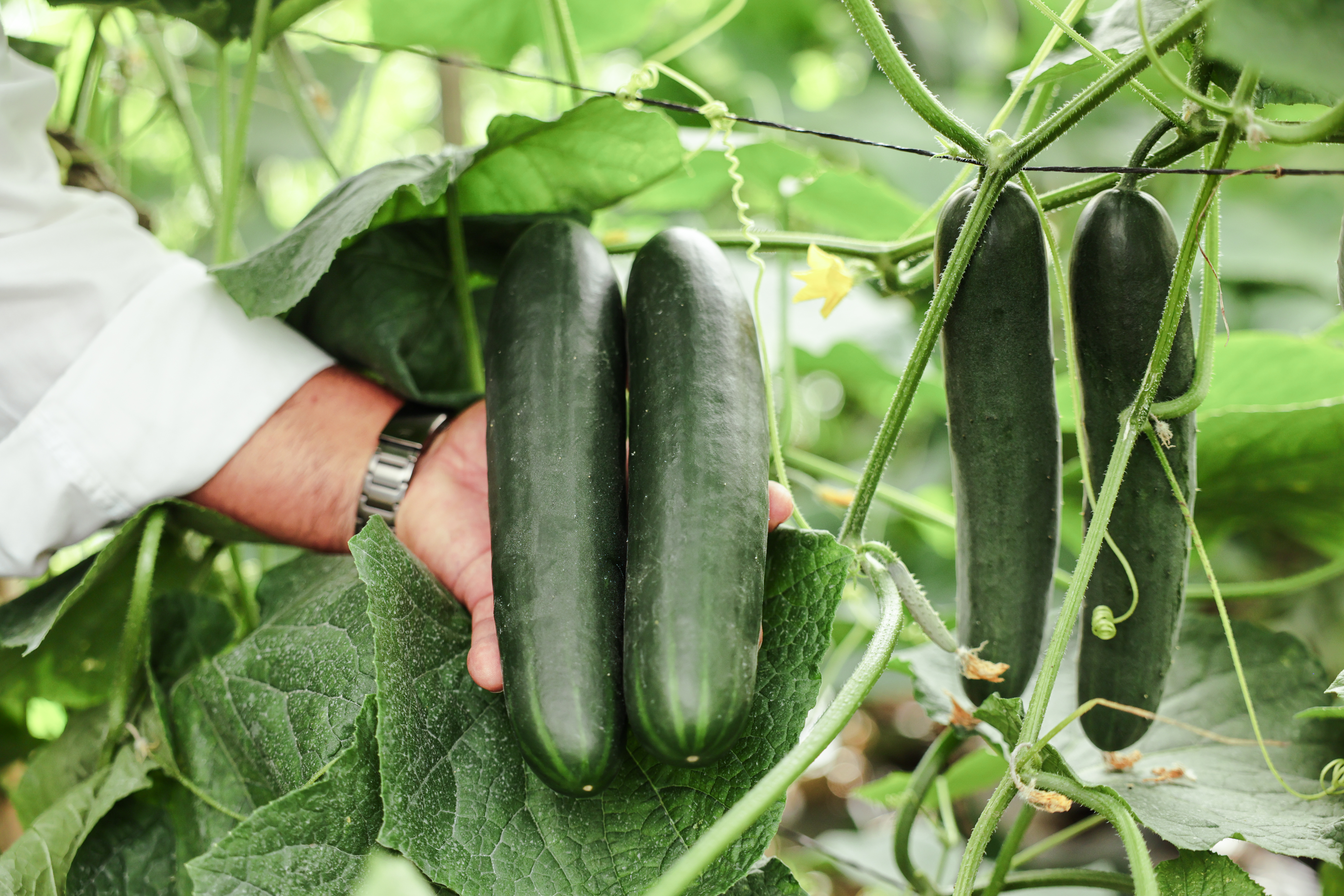
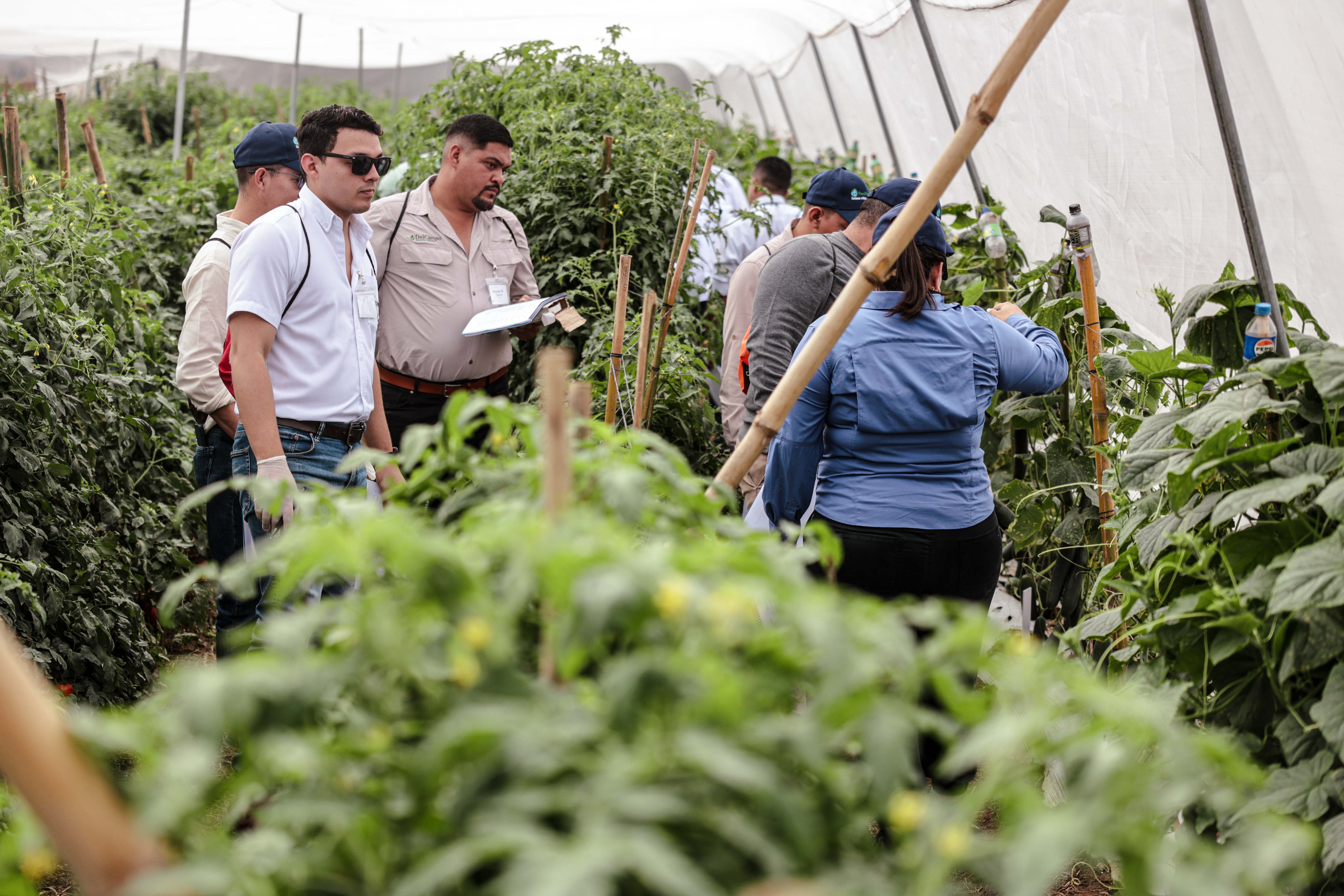
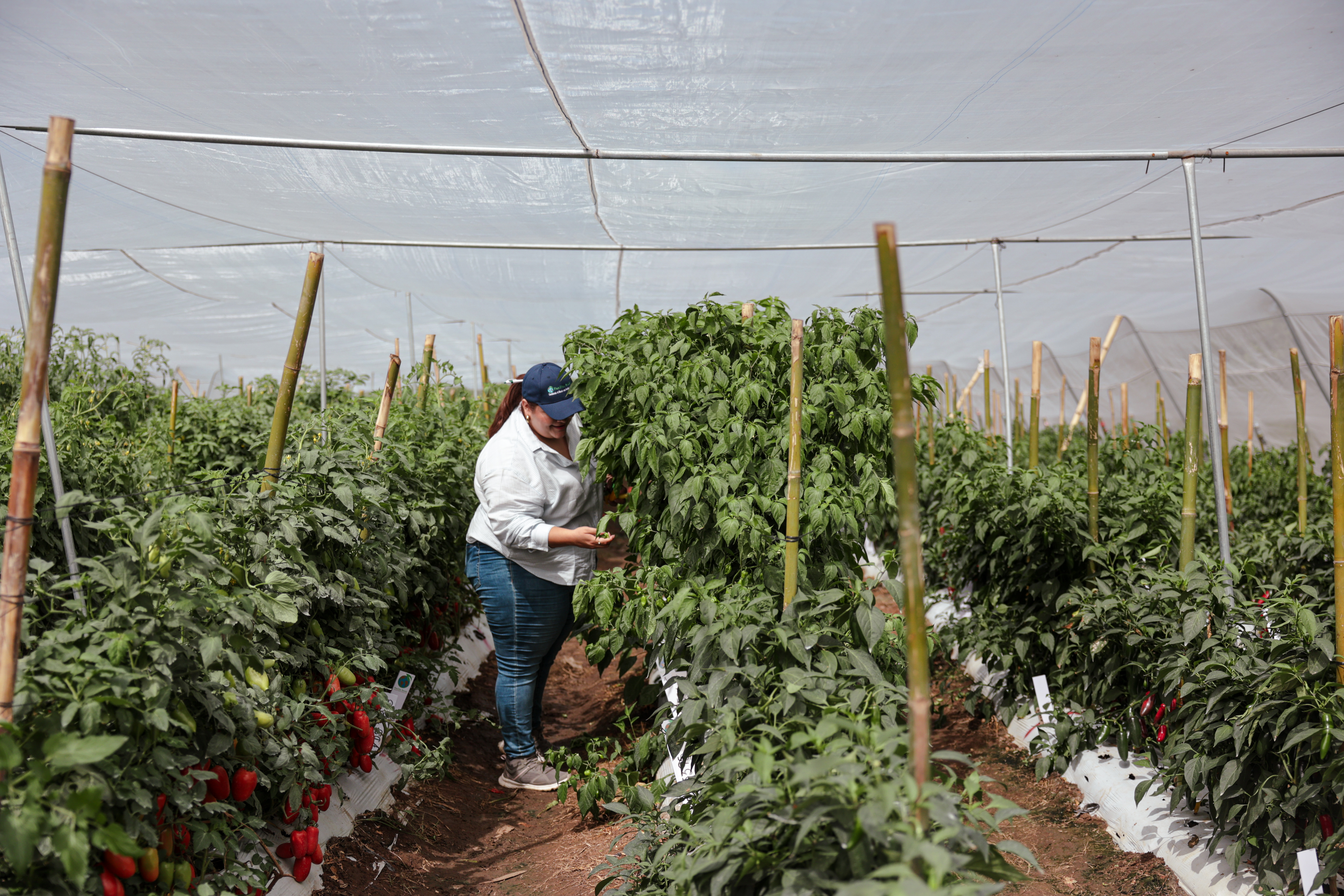
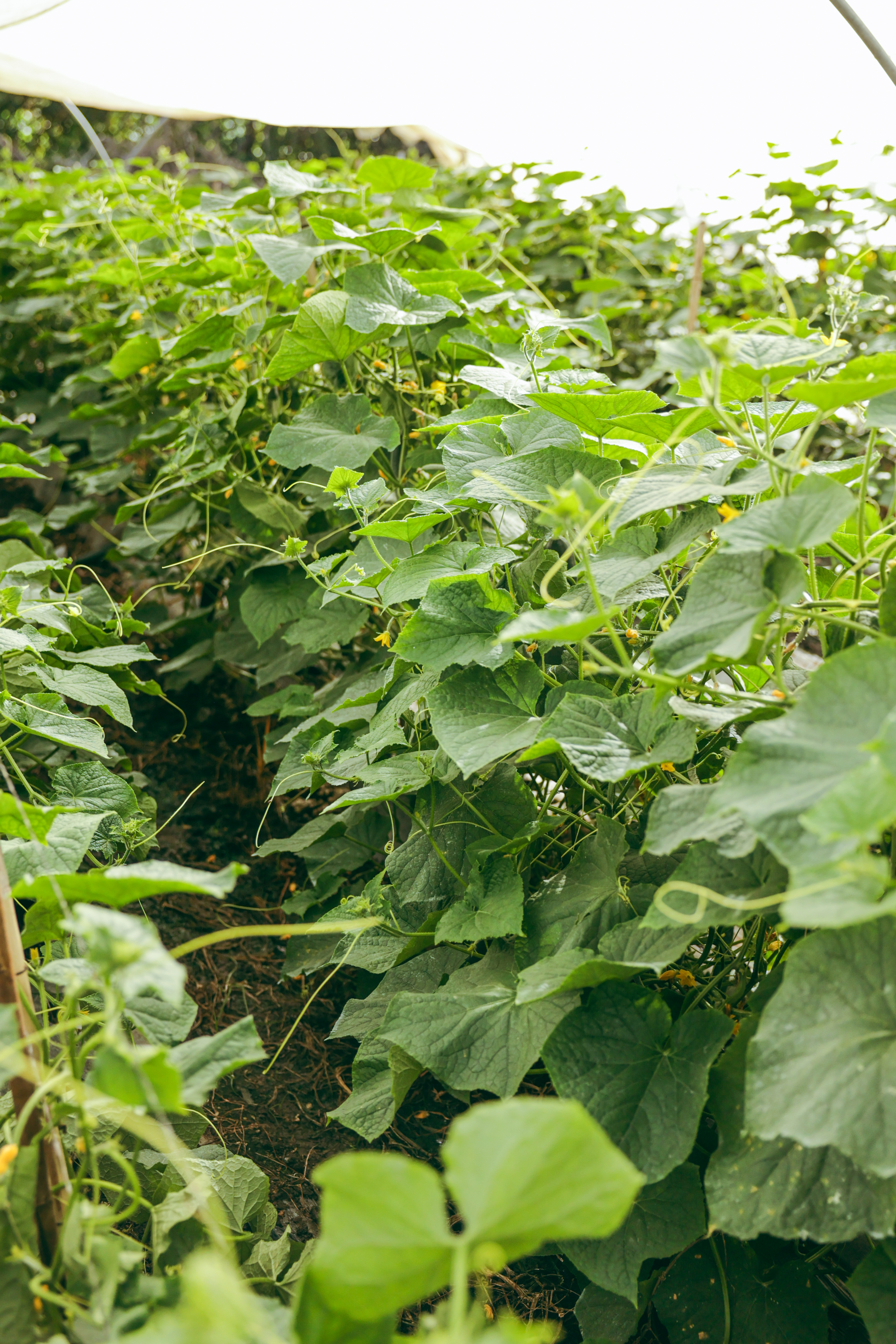
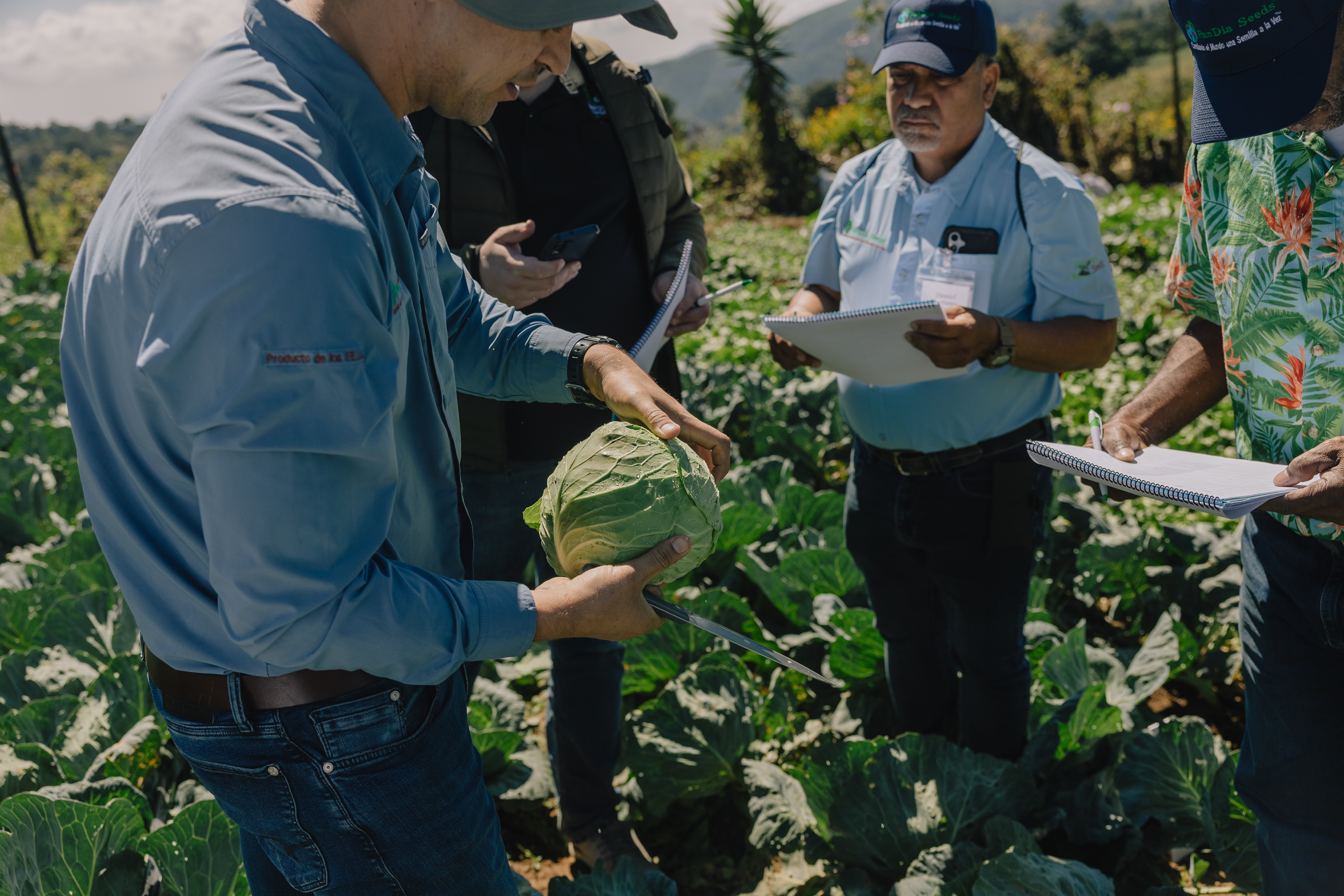
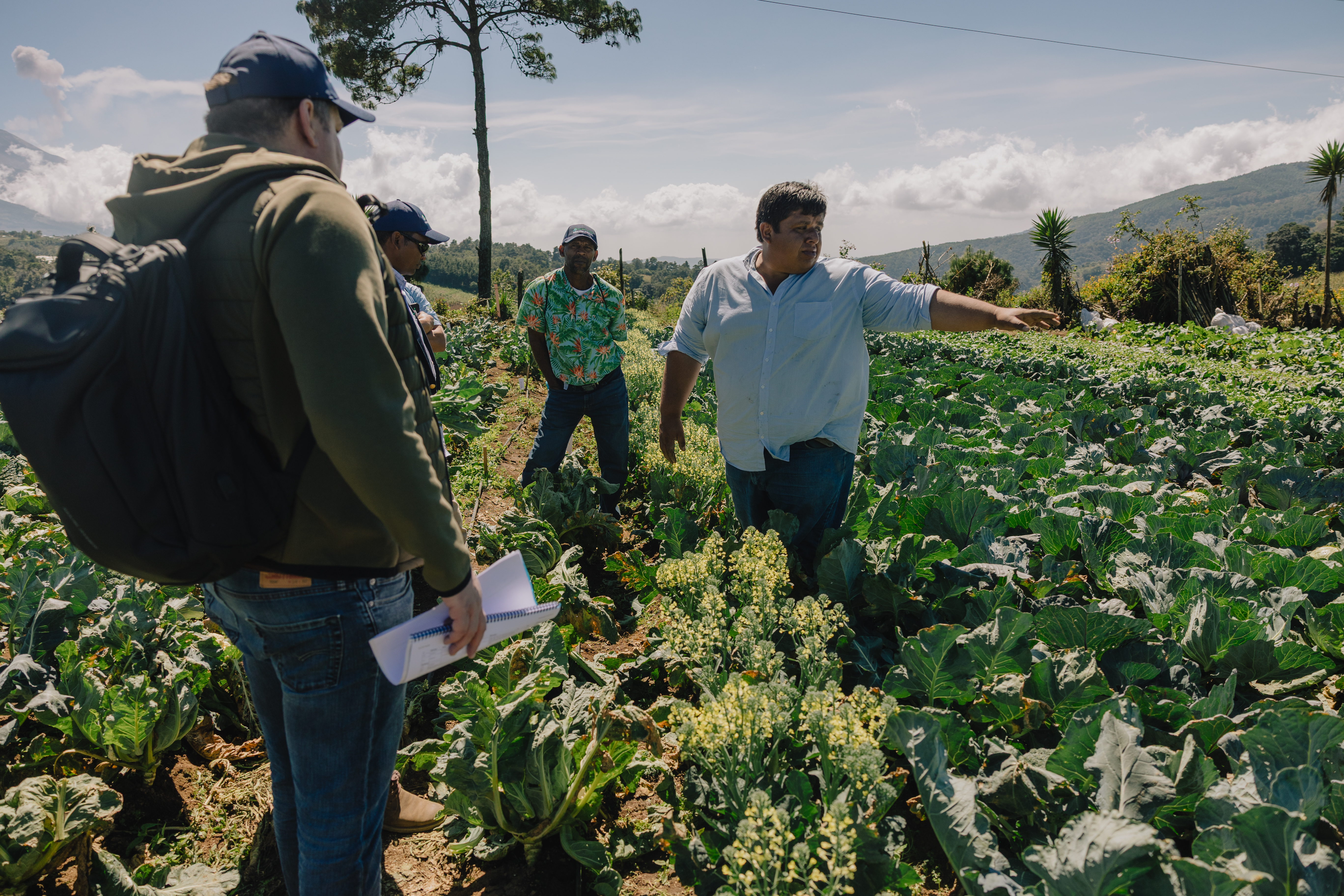
Our journey began in Jutiapa, in a warm environment typical of tropical climates. There, we presented early-stage materials and advanced lines of tomatoes, peppers, jalapeño peppers, and cucumbers being evaluated under heat, humidity, and the pressure of typical regional diseases. It was inspiring to see how each participant analyzed plant behavior, uniformity, plant architecture, and key market traits.
Discussions about potential, future improvements, and local adaptation filled the morning.
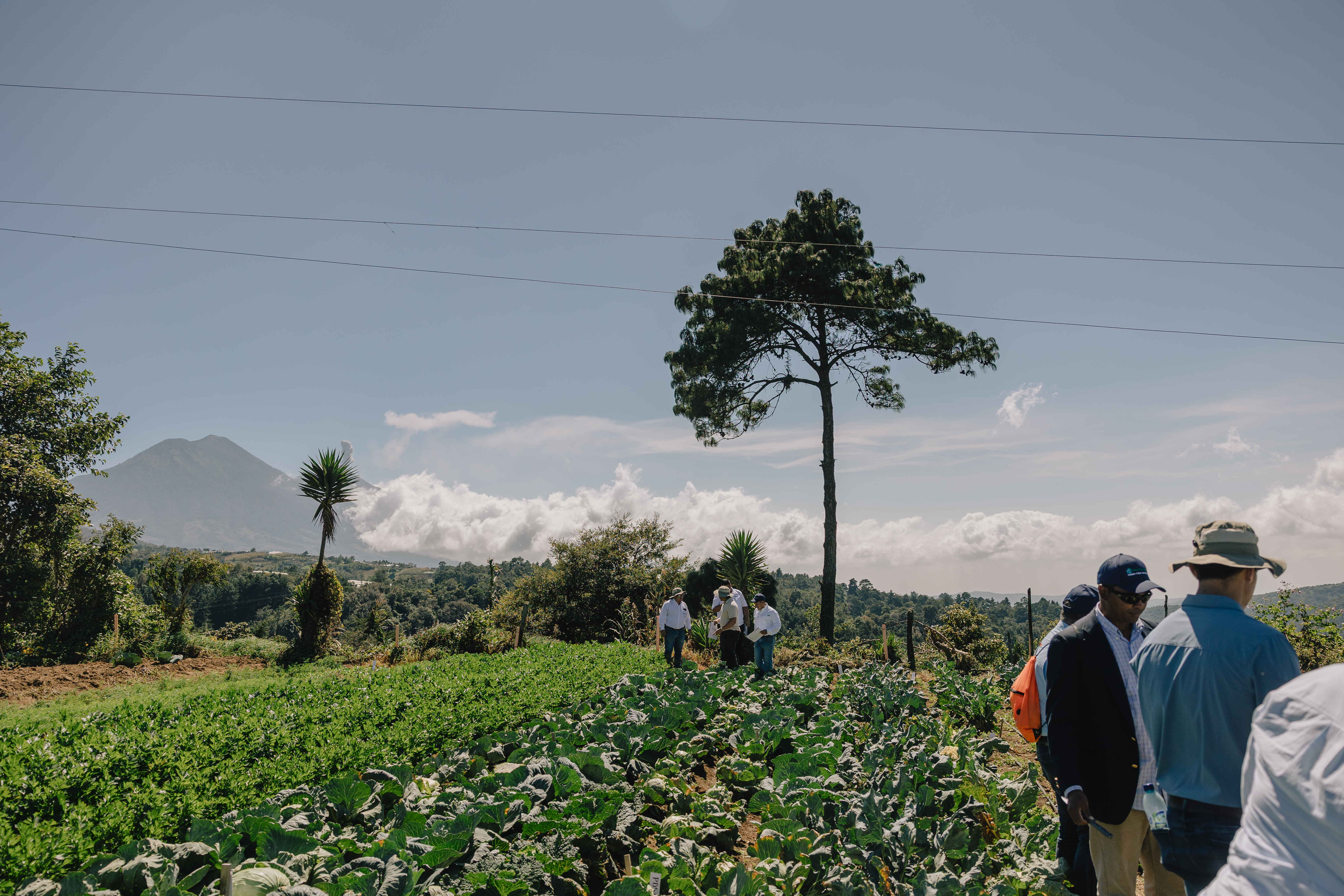
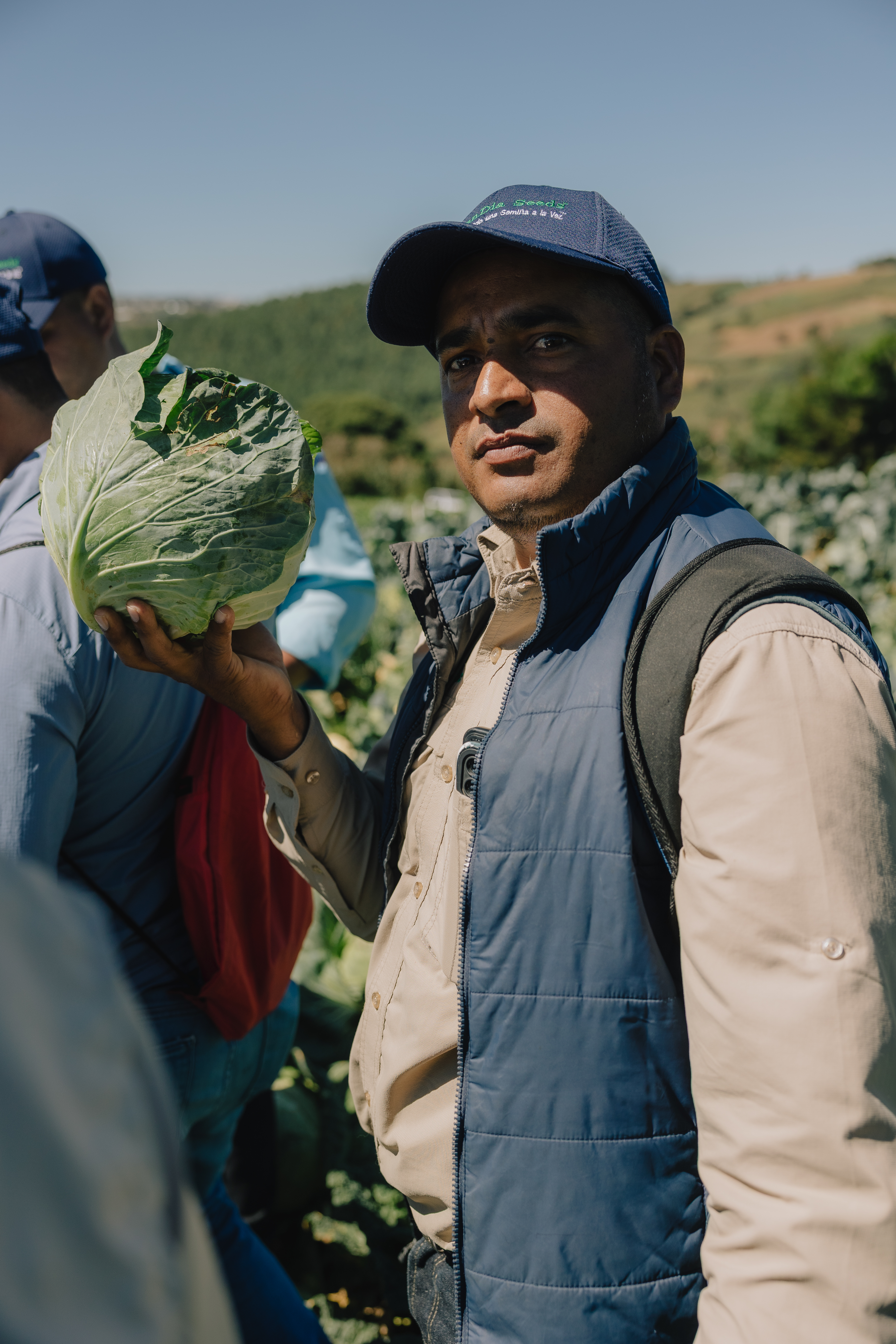
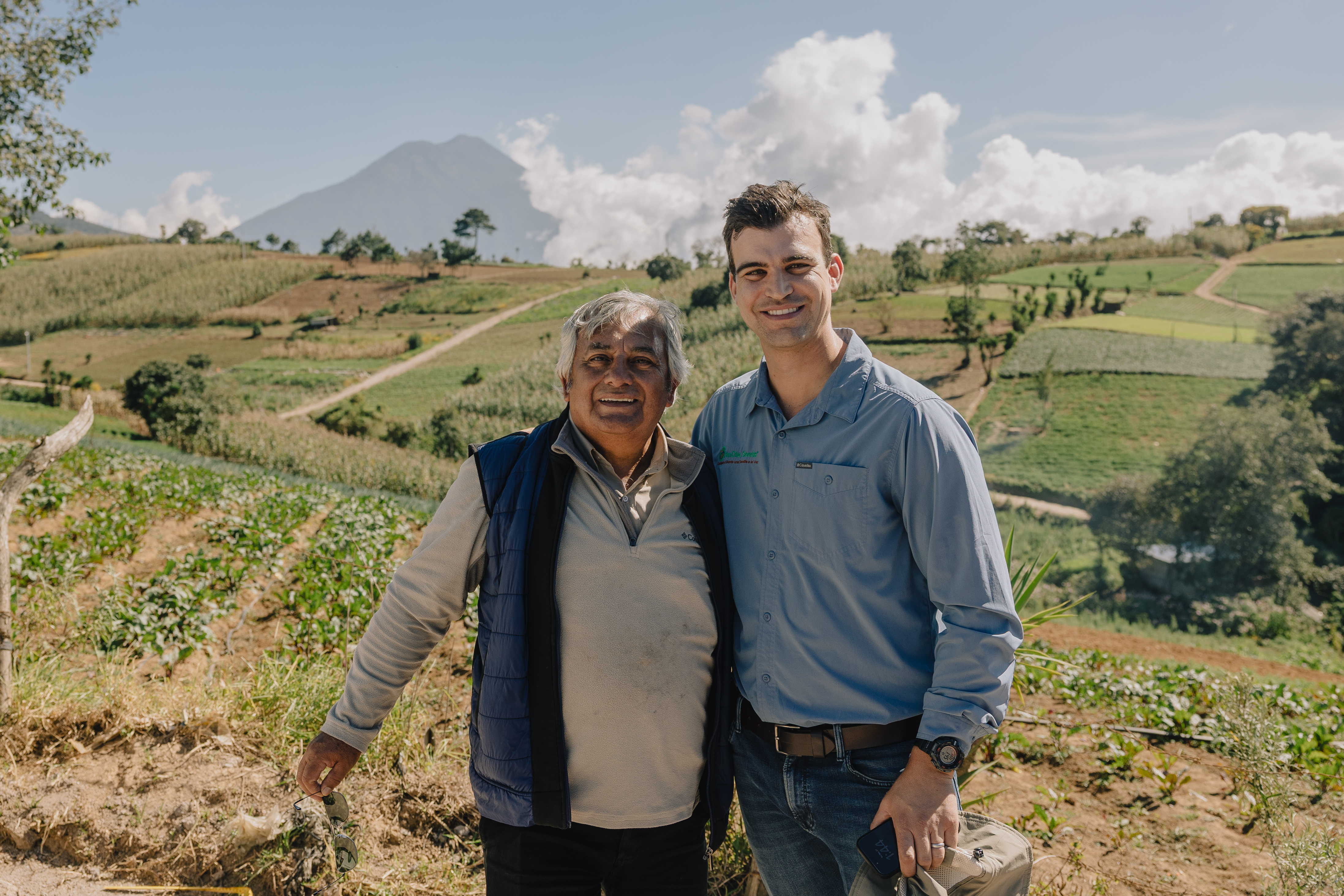
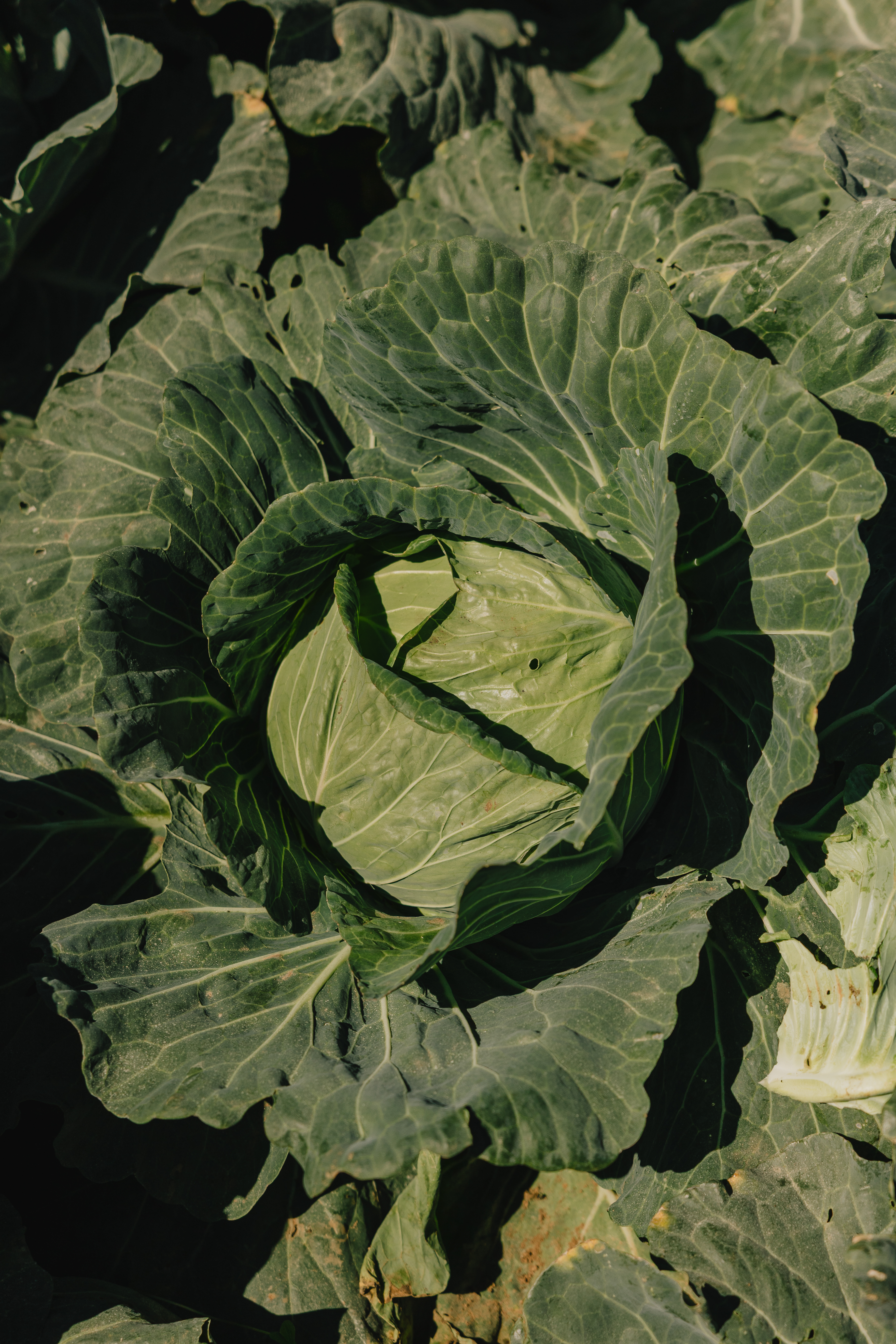
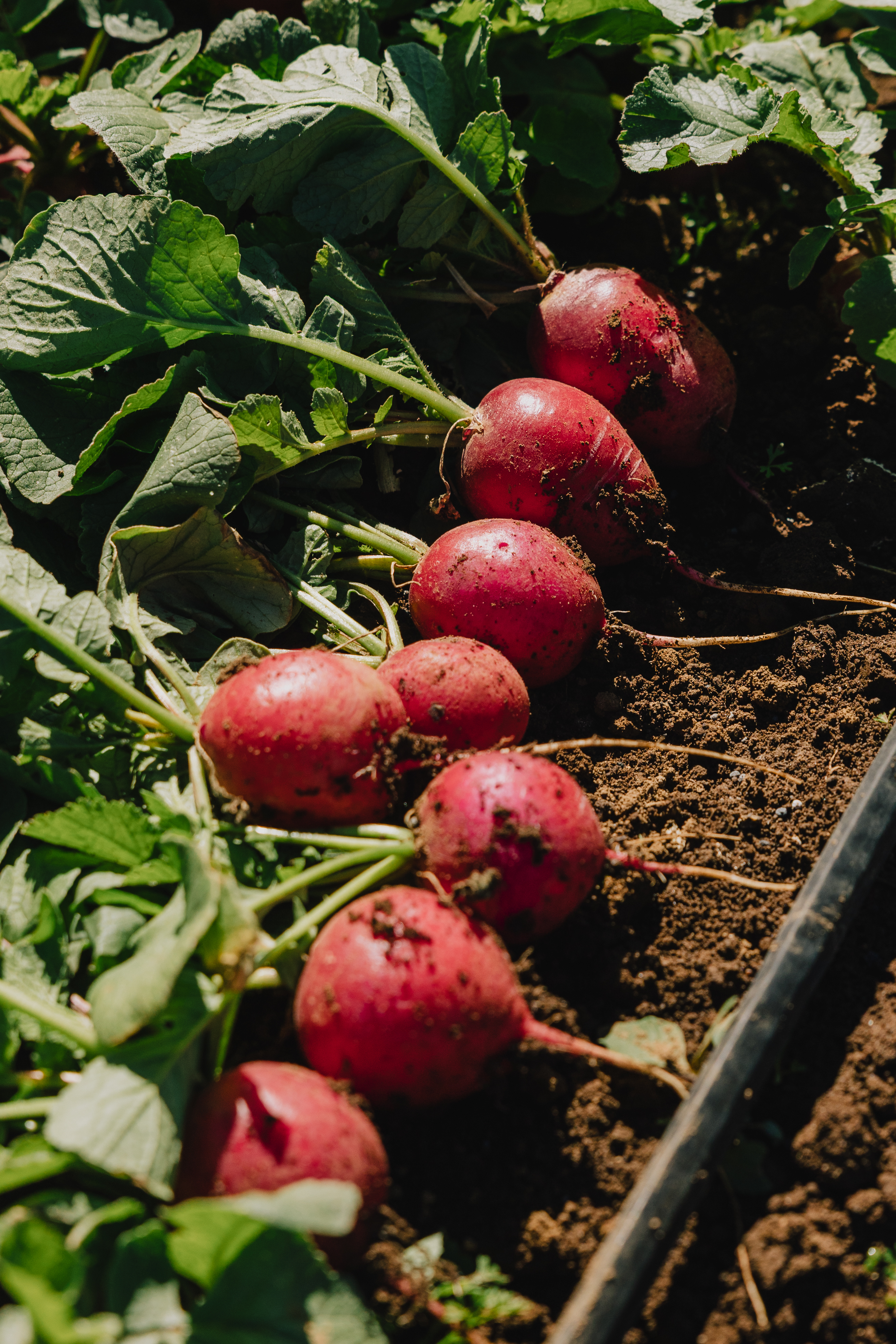
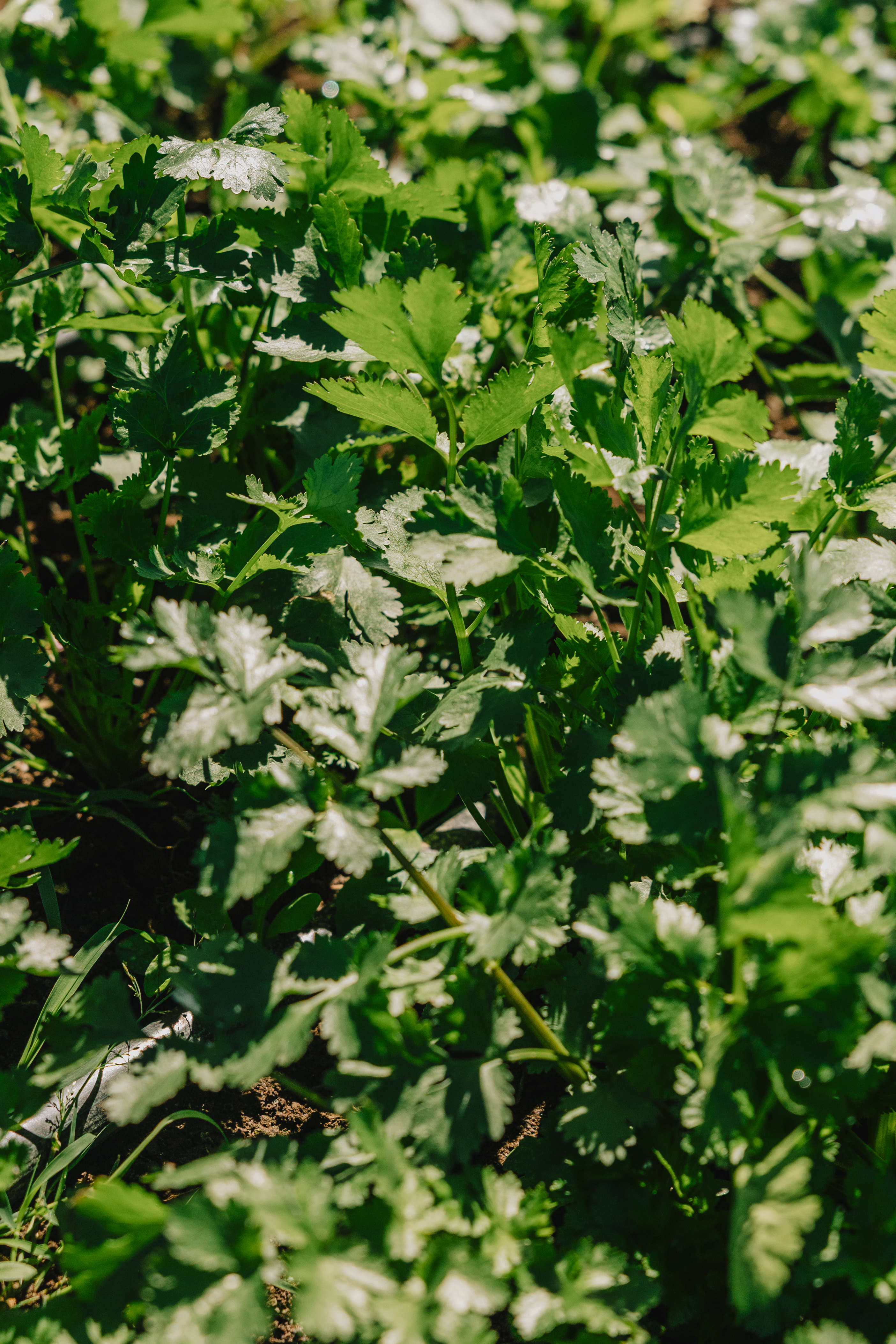
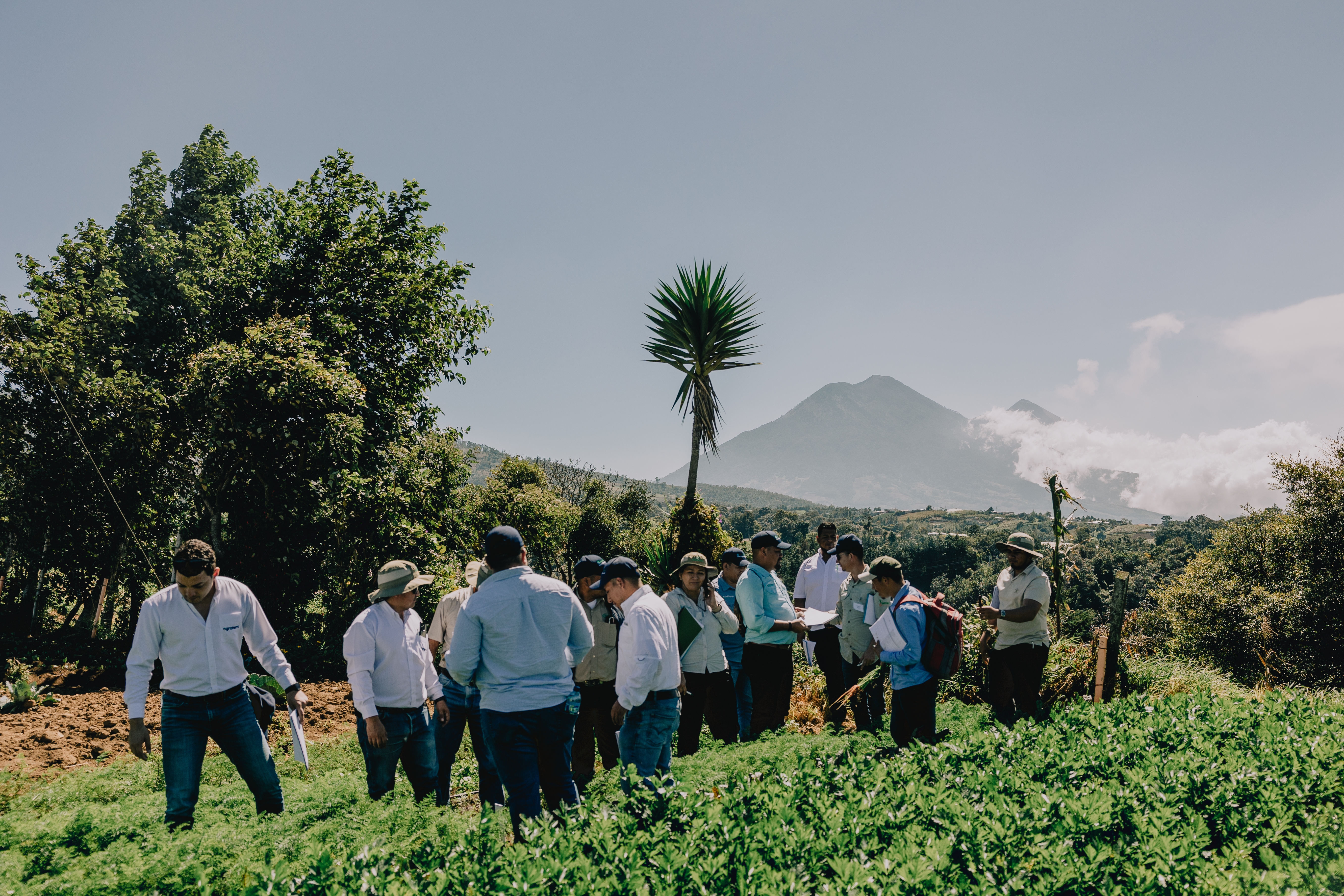
Next, we moved to Patzicía, where the climate changed completely: cooler air, different soils, and an ideal setting to evaluate experimental varieties in highland climates such as celery, carrots, cabbages, lettuces and more, with the impressive view of Volcán de Fuego in front of us. This field showed how genetics respond to lower temperatures, longer cycles, and conditions completely different from Jutiapa.
For the development team, seeing both environments in a single event was key to understanding the versatility or specialization of each material.
One of the most enriching moments was seeing how each country found promising lines for their reality. Some were looking for cold tolerance, others for shorter cycles, others for performance under stress; and each could visualize in the field the potential and necessary adjustments to advance these varieties.
These conversations, full of diverse accents but with a shared purpose, strengthen our regional development vision and allow us to build materials that better meet the challenges of each area.
Amid all this technical process of evaluations, comparisons, and data it is essential to remember one thing: agriculture is one of the greatest responsibilities we have as humanity.
Behind every variety we select are geneticists, producers, distributors, and farmers who put in the effort to bring a material to the field, the market, and ultimately to the tables of thousands of families. Our work is not just about choosing seeds; it is about contributing to more people being able to eat with quality, stability, and hope.
After all, a seed is not just genetics: it is food, it is the future, and it is the most humble and powerful mark agriculture leaves on humanity.